The Weight of 33: Understanding the Paintress Cycle in Clair Obscur: Expedition 33
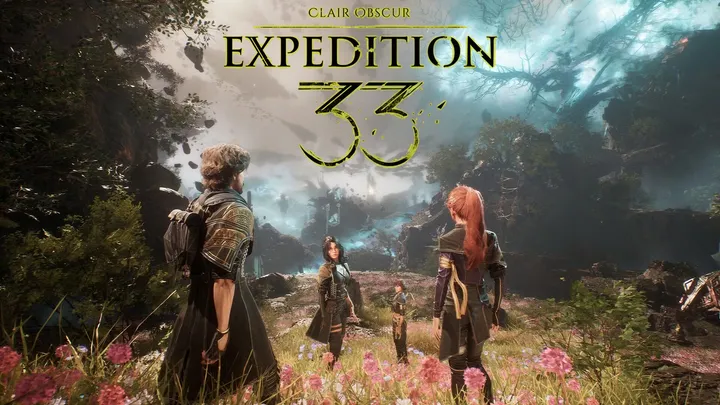
Clair Obscur: Expedition 33 delivers one of the most striking concepts in modern RPG storytelling: every woman turns to dust on her thirty-third birthday, a cycle triggered by the mysterious and godlike “Paintress.” While the game’s painterly combat and artistic world design grab attention, the true emotional and mechanical core lies in this countdown. The Cycle of 33 shapes exploration, party identity, battle flow, narrative choices, and even the emotional weight of every conversation.
This article dives into that central issue: the Cycle of 33 itself. Not the broad lore surrounding the Paintress, but the moment-to-moment psychological pressure that her ritual imposes on the world and on the characters fighting to break it. Understanding this cycle is essential to grasping how Clair Obscur blends surrealism, tragedy, and turn-based action into a singular experience.
By examining the cycle chronologically—from childhood indoctrination through expedition strategy—we can uncover how age, mortality, and inevitability become gameplay systems as much as narrative themes.
The Origin of Fear: Childhood Indoctrination Under the Cycle
Every citizen in the world of Expedition 33 grows up with the same brutal understanding: no woman lives past age thirty-three. This knowledge shapes identity from the earliest years. Children learn that beauty and death are linked, that the Paintress’s ritual defines existence, and that life is a countdown hidden behind daily chores and celebrations.
The game’s environmental storytelling shows how deeply the cycle is woven into culture. Religious posters insist that the Paintress “purifies imperfection.” Families speak quietly about approaching birthdays. The very architecture of the world reflects a society built around dread. This is not merely background lore; it is the formative psychological condition that shapes every character’s decisions.
For members of Expedition 33, the trauma of childhood indoctrination becomes fuel. Their mission is not heroic by tradition but desperate by necessity. They fight because the alternative is to watch the world crumble under a rule no one ever agreed to.
Age as Countdown: The Personal Stakes Behind Every Character
What makes the Cycle of 33 powerful is that it is not abstract. Party members in Expedition 33 each have their own birthdays approaching, their own fears, and their own private calculations about how much time remains. A normal RPG might revolve around leveling, gear, or combat mastery. Clair Obscur binds progression to mortality.
H3: Emotional Weight Behind Dialogue
When a party member jokes, hesitates, or loses focus, the player can feel the weight behind it. The conversation isn’t about gear upgrades; it’s about survival. Every interaction becomes more urgent when characters know they are living on borrowed time.
H3: The Countdown as Roleplay
Players begin to think like the characters. Instead of asking “What’s the optimal build?” they ask “How much time can I afford to risk here?” This shift from optimization to existential decision-making is rare in RPG design, and it sets Expedition 33 apart.
The Paintress’s Ritual: Beauty as Destruction
The Paintress is not simply a villain. She is a cultural force, a deity wrapped in artistry. Her rituals erase women at age thirty-three as if they were fading brushstrokes. Unlike many antagonists, she does not appear to kill out of malice but out of twisted artistic philosophy.
The ritual’s repetition creates a societal pattern: people justify the cycle as “aesthetic truth.” Some even worship it. The game’s writing highlights how oppressive systems survive when wrapped in mythology. The Paintress does not need armies; she has ideology.
This ideology reinforces the cycle, making the Expedition’s rebellion not only a battle against a supernatural entity but also against the cultural inertia of acceptance. The Paintress’s art kills, but people’s belief keeps it alive.
Expedition Planning: Time Pressure as a Strategic Mechanic
The Cycle of 33 is not just narrative. It directly shapes how players navigate the game. Expeditions must be planned with awareness of approaching ages, resource depletion, and encounter difficulty. Running out of time is as dangerous as running out of health.
H4: Route Calculation
Players must balance:
• exploration distance
• enemy density
• party readiness
• survival resources
• potential rewards
A risky detour may uncover rare pigments but might also push a character closer to the next ritual cycle window.
H4: Momentum vs Caution
The game forces players to choose between momentum and caution. Do you rush toward the next landmark to beat the clock? Or take your time to strengthen the party? The conflict becomes mechanical tension in every decision.
Combat as Performance: Fighting Under the Pressure of 33
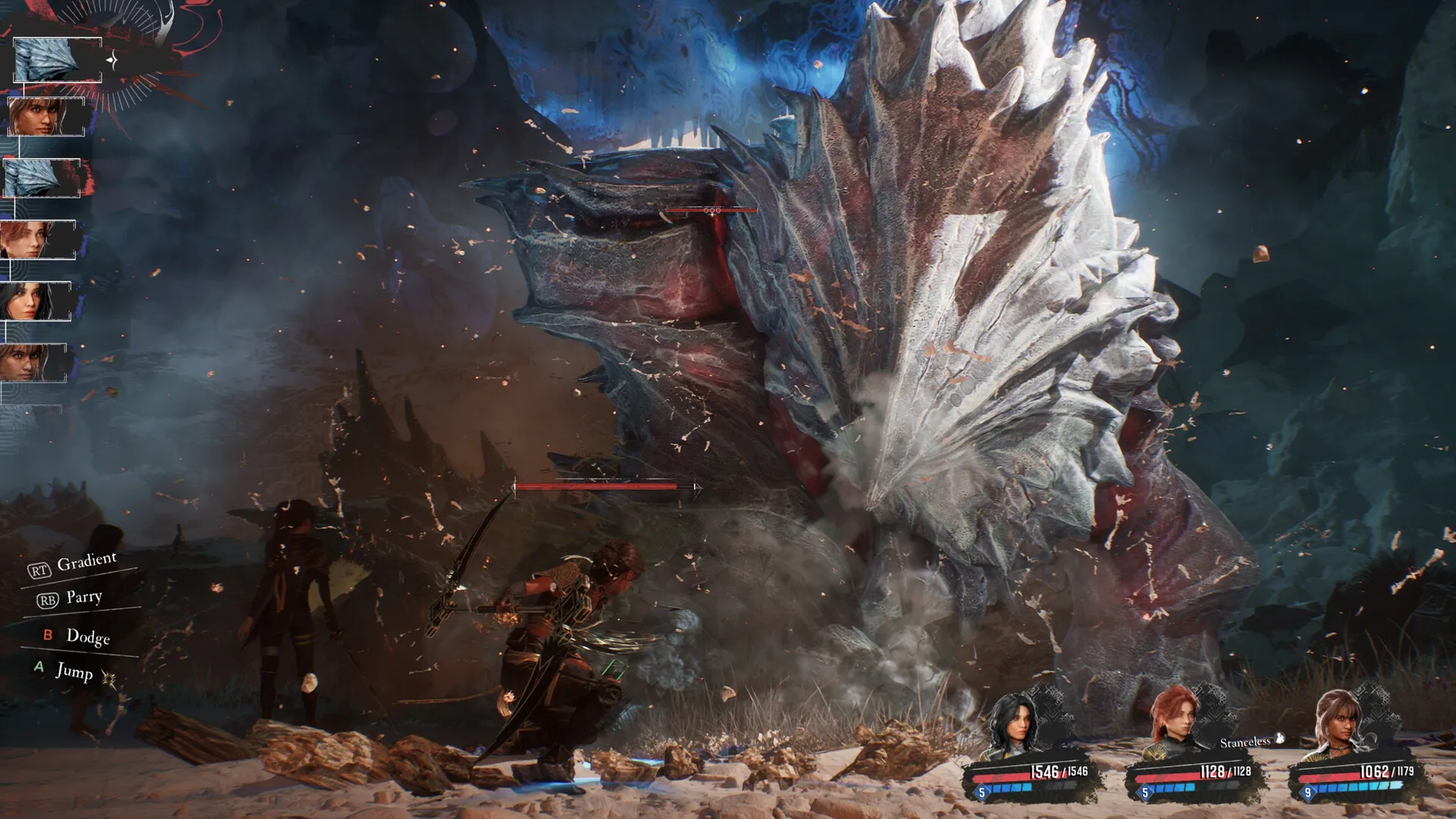
Clair Obscur’s turn-based rhythm combat is beautiful, but it is also shaped by the looming age countdown. Every battle feels like part of a larger race against inevitability. The more fights you take, the closer you get to the next Cycle event.
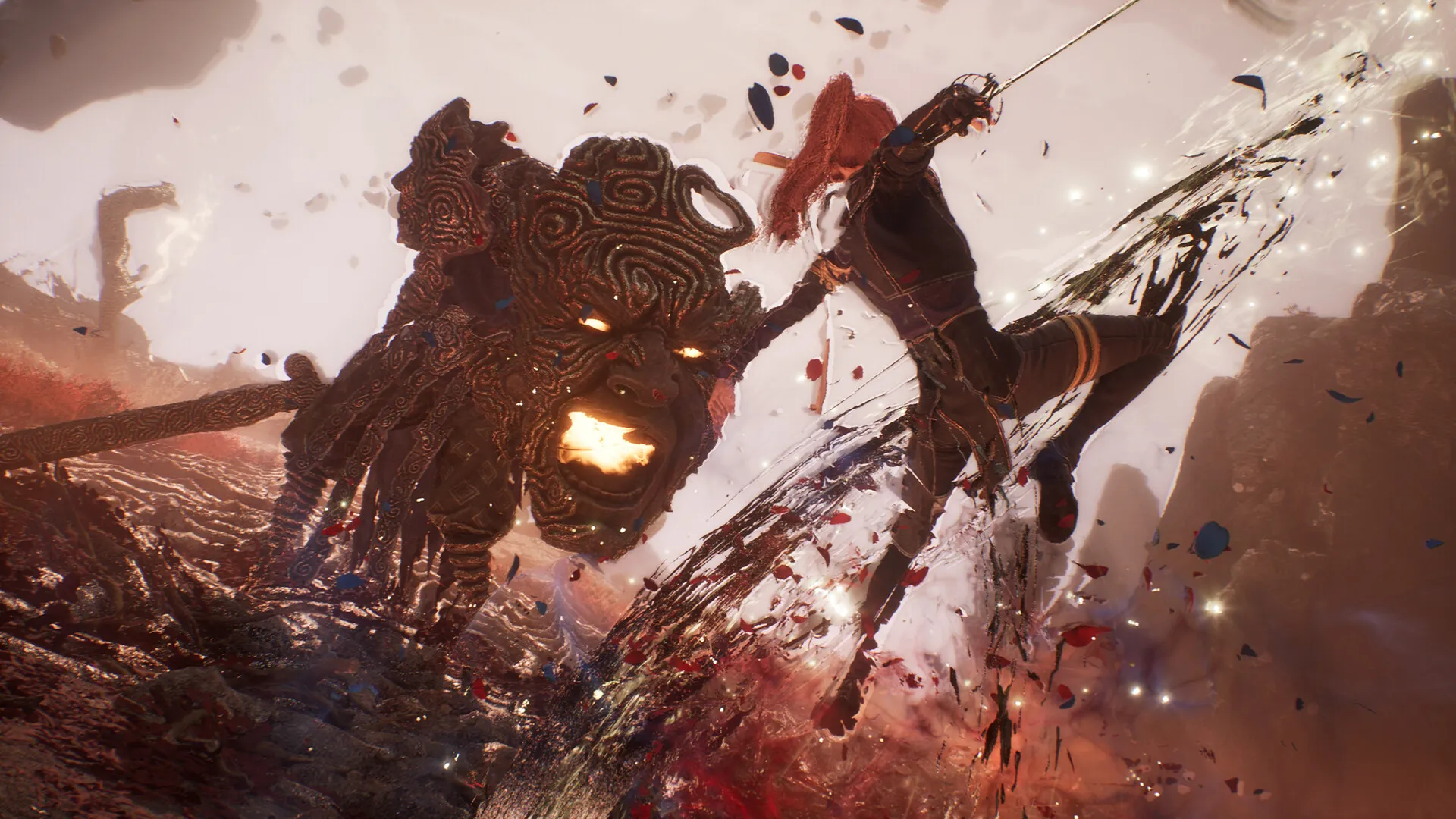
Enemies aligned with the Paintress often reference the ritual mid-battle, taunting the party with lines about time, aging, or “inevitable beauty.” These psychological attacks matter because the player is aware of the countdown too. Combat becomes not only a tactical exchange but a performance of defiance.
The pressure is subtle but present. Missing an input, misreading a cue, or absorbing avoidable damage carries emotional consequences. You are not just wasting resources; you are wasting time.
Psychological Fatigue: How Constant Threat Shapes Player Behavior
One of the most impressive aspects of Expedition 33 is how the developers use the cycle to create long-term psychological fatigue. Not the frustrating kind, but an atmospheric tension that mirrors the characters’ emotional states.
Players begin to feel uncomfortable taking detours. They push objectives harder than they normally would in an RPG. They rethink optional encounters. They structure equipment upgrades and skill choices around efficiency rather than experimentation. In short, players begin behaving like people under a deadline.
The cycle is not just a timer. It is a mental model imposed on the player. You feel the pressure the characters feel, even without a visible countdown on the screen.
Worldbuilding Through Decay: Societies Shaped by Ritual Death
The Cycle of 33 is most visible not in combat, but in the world. Towns are filled with absence. Families missing members. Markets missing owners. Roads abandoned because the people who once maintained them turned to dust years ago.
The landscape becomes a museum of vanished lives. It is not just death that shapes the world but predictable, scheduled death. People stop investing in the future. Creativity stagnates. Infrastructure crumbles. Exploration becomes a journey through a world that has forgotten how to hope.
This decay intensifies as players progress. The deeper the expedition travels, the more the environment reveals the cycle’s destructive legacy.
Rebellion Against Inevitability: The Expedition’s Emotional Core
The brilliance of Expedition 33 lies in its emotional framing. The party is not fighting for glory or wealth. They are fighting against inevitability. Their mission is a declaration that fate is unjust, that the cycle is wrong, and that mortality should not be predetermined by a cosmic painter’s whim.
H3: Bonds Forged Under Pressure
The cycle intensifies relationships. Conversations carry weight. Moments of laughter feel defiant. The party’s unity is not built on shared ambition but shared doom. This makes their bonds stronger than typical RPG party dynamics.
H3: Hope as a Weapon
Hope becomes their sharpest blade. Simply believing that the cycle can be broken is revolutionary in a world that has accepted the ritual for generations.
The Finale Looming: Breaking the Cycle as Personal Liberation
As the expedition approaches its final destination, the Cycle of 33 becomes a character in the story. It is the enemy the party talks about, dreams about, suffers under. Breaking it is not only a plot goal but a liberation from cultural trauma.
Each step toward the Paintress’s domain intensifies the emotional stakes. The world reacts. Citizens whisper of impossible change. The party’s morale shifts between exhaustion and determination. The tension builds until the cycle must either end or claim another generation.
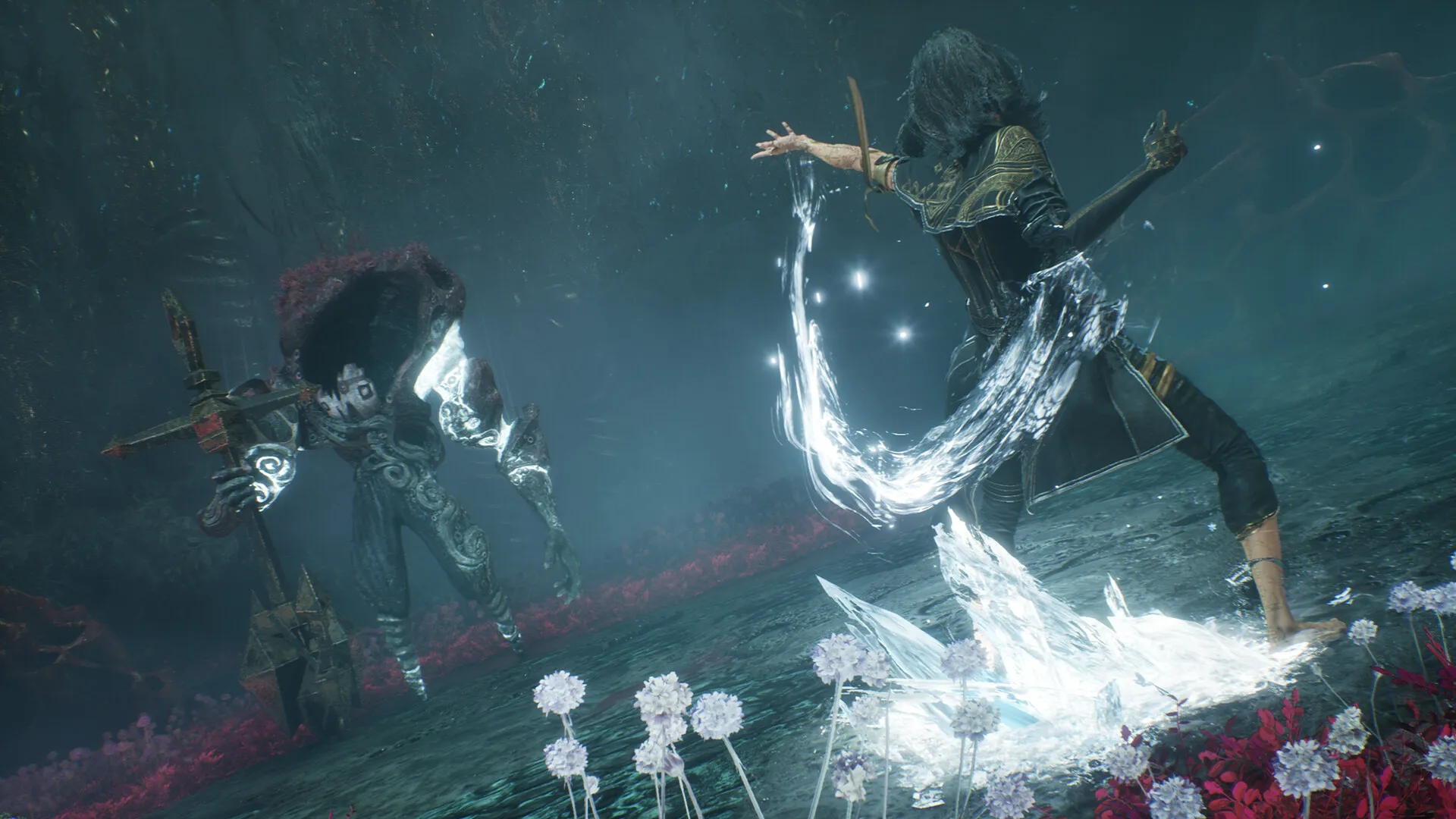
The climax thus becomes more than a boss fight. It is the symbolic destruction of inevitability. The party is not fighting the Paintress alone. They are fighting the entire weight of tradition, fear, artistry, and mortality that she represents.
Conclusion
Clair Obscur: Expedition 33 succeeds not because of its painterly visuals or stylish combat, but because of the emotional gravity behind the Cycle of 33. This countdown defines every landscape, every decision, every battle, every relationship, and every moment of hope. It turns survival into rebellion and transforms the expedition’s mission into something deeply human.
By binding narrative fate to mechanical pressure, the game creates a rare kind of immersion. Players do not simply fight enemies; they fight inevitability itself. They feel urgency, fear, determination, and fragile hope the same way the characters do. Few RPGs manage to unify theme and system so perfectly. The Cycle of 33 is not just a plot device. It is the beating heart of Clair Obscur.