






Popular Now
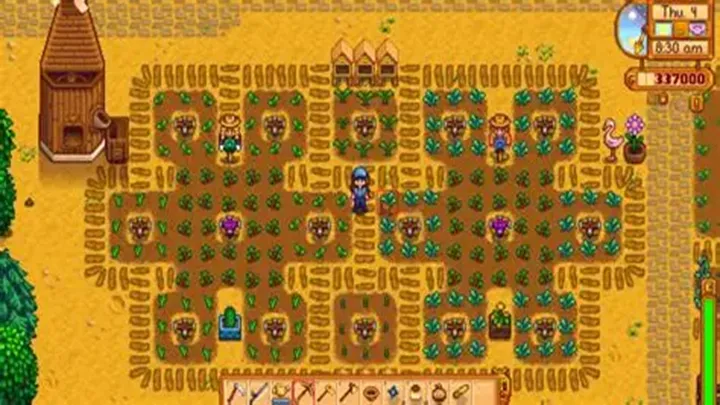
Stardew Valley revolves around daily planning.
- Each day has limited hours
- Energy restricts early-game actions
- Seasons permanently change crops
- Missed days delay progression
- Planning saves weeks of effort
Time awareness accelerates long-term growth.
2. Set Clear Priorities for Each Season
Trying to do everything slows progress.
- Focus on farming early
- Delay mining until tools improve
- Choose 1–2 income crops per season
- Avoid over-planting too early
- Build routines instead of reacting
Seasonal focus stabilizes income.
3. Learn Crop Profitability, Not Just Quantity
More crops does not mean more profit.
- Check crop growth time
- Consider regrowth crops
- Balance cost vs return
- Avoid low-value fillers
- Plan harvest timing carefully
Smart crop choices maximize gold.
4. Upgrade Tools Strategically
Tool upgrades save time and energy.
- Prioritize watering can and pickaxe
- Upgrade before rainy days
- Avoid upgrading during critical seasons
- Plan around festivals
- Reduce daily workload early
Efficient tools multiply productivity.
5. Manage Energy and Food Wisely
Energy management defines daily output.
- Bring food before long sessions
- Use cheap energy foods early
- Avoid passing out late
- Balance work and recovery
- Save high-value meals
Sustained energy increases progress.
6. Explore the Mines Safely and Methodically
Mining is risk-reward based.
- Go early in the day
- Focus on elevator floors
- Avoid rushing deep levels
- Bring food and weapons
- Retreat when health drops
Safe mining ensures steady upgrades.
7. Build Relationships Gradually
Social progression takes time.
- Focus on a few NPCs first
- Learn favorite gifts
- Talk daily when possible
- Attend festivals consistently
- Avoid spreading gifts randomly
Strong relationships unlock key benefits.
8. Invest Gold for Long-Term Growth
Early spending shapes late-game success.
- Build silos early
- Invest in sprinklers
- Avoid cosmetic spending early
- Upgrade backpack quickly
- Save gold for infrastructure
Long-term investments compound returns.
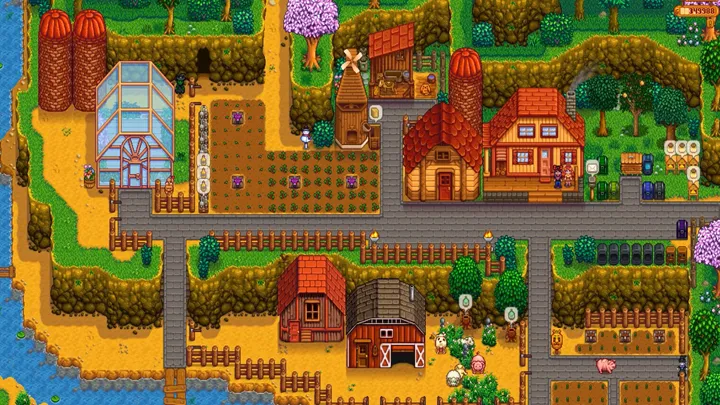
9. Plan Farm Layout for Expansion
Messy farms slow future progress.
- Leave space for buildings
- Group crops logically
- Prepare for sprinklers
- Avoid permanent clutter
- Think seasons ahead
Good layout prevents costly redesigns.
10. Play at Your Own Pace and Stay Consistent
There is no failure state.
- Avoid comparing progress
- Play calmly, not optimally
- Learn systems gradually
- Accept missed opportunities
- Enjoy the sandbox freedom
Consistency beats perfection.
Final Thoughts
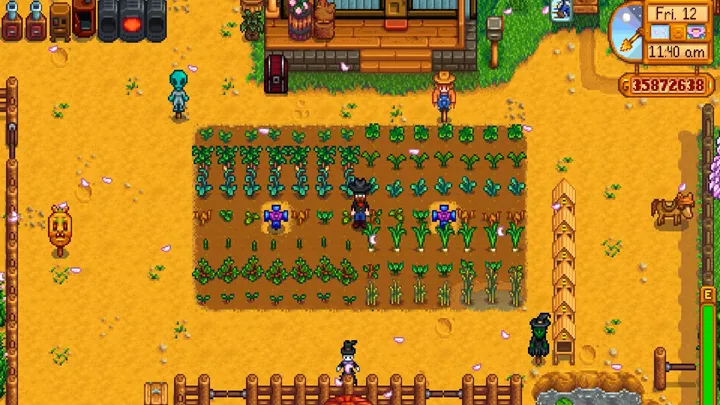
Stardew Valley rewards planning, patience, and smart prioritization more than speed or optimization. By managing time effectively, choosing profitable crops, upgrading tools strategically, and investing in long-term infrastructure, players can build a thriving farm and enjoy steady, stress-free progression.
Play thoughtfully, adapt season by season, and let your farm grow naturally.