





The Spike Cross brings the thrilling, high-speed intensity of volleyball to a stylized arcade format where timing, momentum, and control decide everything. While the game is known for its addictive gameplay loop and beloved characters, one specific issue rises above the rest and becomes the heart of the experience: the unforgiving timing windows for spikes and receives. This mechanic elevates The Spike Cross into a high-skill competitive title, but it also becomes a barrier that defines how players learn, improve, or fail.
This article dives deep into that core challenge—the precision timing system—and explores how it shapes difficulty, progression, and emotional engagement.
1. First Encounter with The Spike Cross’s High-Pressure Timing
The moment you begin your first match in The Spike Cross, you immediately understand that it is not a simple sports game. The ball travels fast, the animations respond sharply, and the timing bar for spikes seems to shrink every time your opponent increases pace. It feels thrilling, but also overwhelming.
Players quickly notice that the game does not handhold or offer easy timing indicators like rhythm-based titles. Instead, you must sync your eyes, hands, and reaction speed to the ball’s movement. This creates an experience that is both exhilarating and intimidating.
As a result, the first impressions revolve around learning to respect the system. There is no shortcut—every improvement is earned.
2. When Timing Becomes a Wall: The Spike Learning Curve
The game’s biggest difficulty spike often happens around the mid-tier matches. That’s when opponents begin serving faster, cross attacks become unpredictable, and the window for successful spikes shrinks dramatically.
Players who previously relied on luck or basic reflexes suddenly struggle. They mistime spikes, miss receives, and lose momentum. The learning curve becomes a wall—not because the mechanics are unfair, but because they demand a higher level of precision.
This moment separates casual players from competitors, and it’s one of the most defining aspects of The Spike Cross.
3. Understanding the Precision System Behind Every Spike
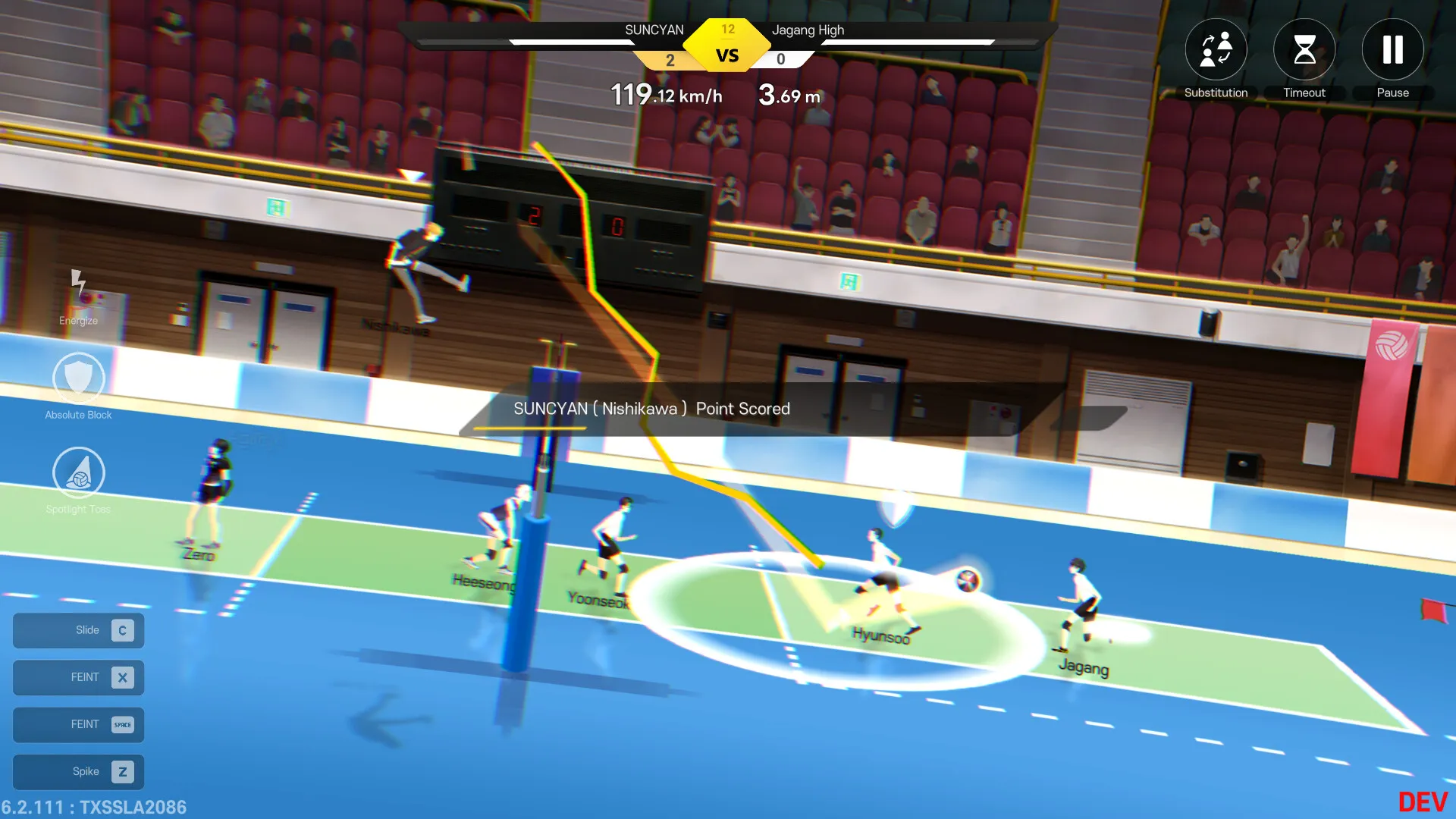
The timing system is more complex than it looks. Every spike has an invisible window where button input must align perfectly with the apex of your jump, the ball’s arc, and your character’s position.
The ball does not behave identically every time
Different opponents, court conditions, and setups slightly alter the ball’s trajectory, making each moment feel unique.
The perfect spike window
The game heavily favors accuracy. A perfect spike results in massive power, ideal angle, and a near-unblockable attack.
Once players understand this hidden structure, the beauty—and difficulty—of the system becomes clear.
4. Fast-Paced Rally Exchanges and Mental Load
Rallies in The Spike Cross do not give players time to breathe. Every second is filled with:
- receiving
- setting
- positioning
- anticipating the opponent
- preparing a spike
This constant flow forces players into a heightened mental state. Your focus must be unbroken, and even a momentary hesitation leads to disaster.
The mental load becomes especially intense during long rallies where each player refuses to give up momentum. These tense exchanges define the emotional identity of the game and highlight how demanding the timing system really is.
5. Player Stats and Their Influence on Timing Difficulty
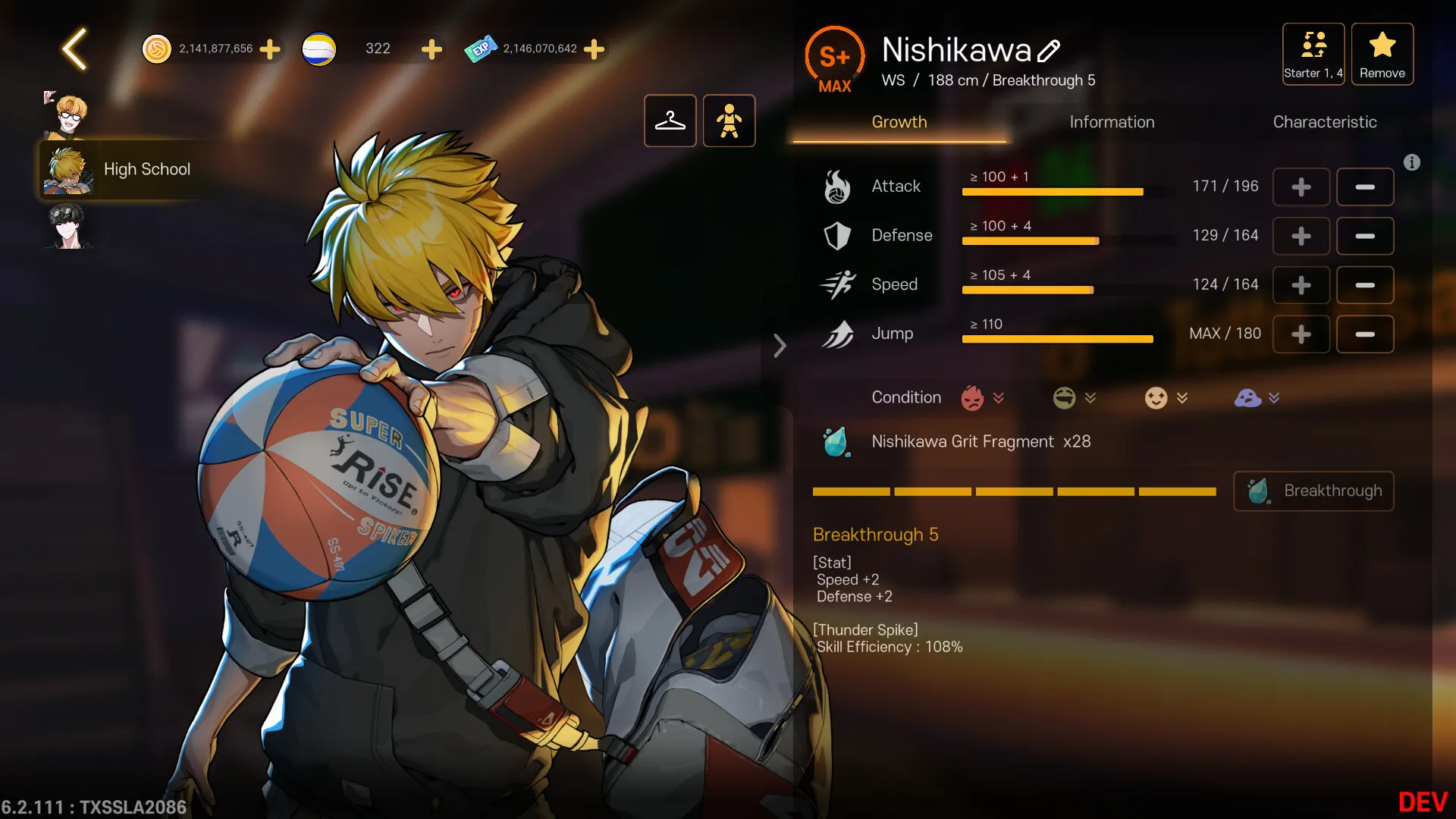
Not all characters feel the same in The Spike Cross. Each one has statistics that subtly alter timing windows, spike height, and movement responsiveness.
Why this matters
A taller hitter jumps later, hits harder, and may require different timing than a quick, agile spiker. This forces players to relearn timing with every new character.
The challenge
Switching characters resets your muscle memory. Even small stat differences have major effects on how the timing feels.
This adds depth, but also amplifies the difficulty curve for those who enjoy experimenting with different playstyles.
6. Cross Attacks and the Struggle of Anti-Reading Opponents
The game's name, The Spike Cross, highlights its signature mechanic: cross-direction attacks. These directional variations make the timing puzzle even harder.
Cross attacks happen at unpredictable angles, demanding advanced reflexes and positioning. You cannot rely on memory alone—the ball may curve, dip, or accelerate in ways you did not expect.
Opponent reading mechanics
Enemies adapt to your playing style, forcing you to sharpen reaction speed and unpredictability.
Punishment for mistakes
A mistimed reaction often results in a complete loss of rally and sometimes the entire set.
This dynamic creates both frustration and unmatched satisfaction when mastered.
7. The Rhythm vs Reaction Conflict
Many players approach the timing system as if it were rhythm-based, but The Spike Cross breaks this expectation. Rhythm helps for basic plays, but higher-level matches require reactive adaptation, not memorized patterns.
This tension between rhythm and reaction is what makes the timing system unique. You cannot rely on muscle memory alone; you must constantly read the ball and analyze movement in real time.
It’s this conflict that makes the game both deeply rewarding and brutally challenging.
8. Training Mode: A Tool That Helps but Doesn’t Solve Everything
Training mode is essential for improvement, helping players practice jump windows, spike timing, and receive precision. But it has limitations.
Why training feels different from real matches
In training, the ball’s speed and trajectory are controlled. In match play, randomness and opponent pressure change everything.
What training teaches
Training mode improves core mechanics but cannot replicate the stress of a live rally.
This creates a gap between practice and performance that players must bridge with experience.
9. Competitive Matches and How Pressure Amplifies Timing Issues
In competitive play, timing becomes twice as difficult—not because the mechanics change, but because psychological pressure increases.
Small mistakes suddenly feel fatal. Players hesitate. Reflexes slow under stress. The spike timing bar shrinks mentally, even if the game has not changed.
This high-pressure environment is why The Spike Cross becomes such a thrilling competitive experience. Every point feels like life or death.
10. Embracing the Difficulty: Why Timing Defines the Game’s Identity
The Spike Cross’s unforgiving timing system is not a flaw—it is the core of its identity. The entire gameplay loop is designed to reward those who master precision.
Why it matters
Mastering timing transforms the game from chaotic and difficult to smooth, powerful, and exhilarating.
The final reward
A perfect spike after minutes of intense rallies creates one of the most satisfying feelings in any arcade sports game.
Once players accept the difficulty, The Spike Cross becomes a deeply enjoyable and addictive experience.
The Spike Cross builds its entire identity around precision timing, making it one of the most challenging yet rewarding arcade sports experiences. The strict timing windows, unpredictable ball behavior, and fast-paced rallies create a gameplay loop that demands discipline, practice, and focus. While it can be overwhelming at first, mastering the timing system turns frustration into powerful momentum. The game’s difficulty is not a flaw—it is the foundation of its competitive soul, offering endless depth for players willing to rise to the challenge.