The Psychological Collapse of Trust in Among Us and Why the Game Changed Multiplayer Social Deduction Forever
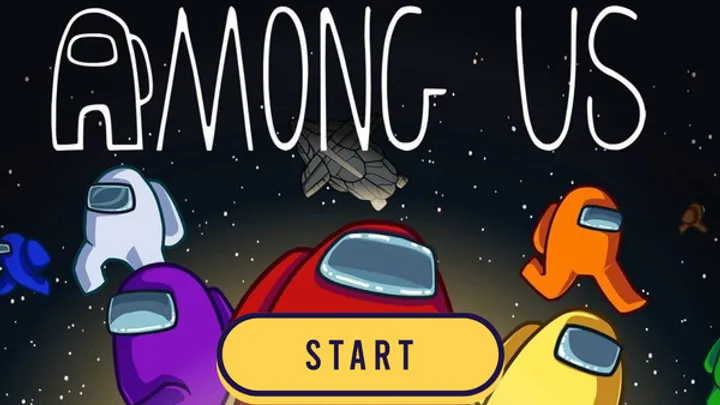
Among Us became one of the most unexpected multiplayer successes in gaming history. Developed by Innersloth the game appeared simple on the surface. Small cartoon astronauts completed tasks while hidden impostors secretly eliminated crewmates. Yet beneath that simplicity existed one of the most psychologically intense multiplayer systems ever created. The true power of Among Us was never its maps tasks or animations. The real engine behind the game was trust and more importantly the destruction of trust.
Many multiplayer games revolve around mechanics aim strategy or progression systems. Among Us instead revolved around human suspicion manipulation and social paranoia. The most important issue inside the game was not balance updates or content additions but the gradual collapse of player trust over time. As players became more experienced the social structure of the game transformed dramatically. What began as chaotic fun slowly evolved into an environment of hyper analysis defensive communication manipulation tactics and emotional fatigue.
This article explores how Among Us fundamentally changed player psychology by creating a multiplayer environment where trust became temporary fragile and weaponized. Rather than discussing the game broadly this article focuses specifically on the evolution of deception suspicion and social behavior throughout the lifespan of the game.
The Early Innocence of Among Us
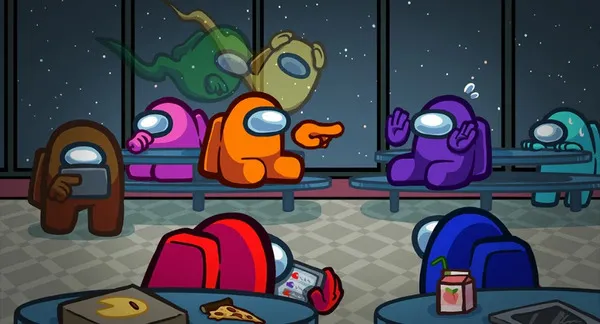
When most players first entered Among Us they approached it casually. Early matches were filled with confusion random accusations laughter and impulsive voting. Players rarely understood optimal strategies and many simply reacted emotionally to events inside the match.
At this stage trust existed naturally. Crewmates believed visual tasks confirmed innocence and many players assumed others were honest during discussions. Impostors often succeeded not through advanced deception but because players lacked experience recognizing suspicious behavior.
Why Early Matches Felt Different
The original emotional appeal of Among Us came from uncertainty mixed with innocence. Nobody fully understood how deception systems would evolve. Players experimented socially rather than strategically.
Because of this early environment discussions felt authentic. People defended themselves emotionally instead of logically. False accusations created humor instead of frustration.
Common Behaviors in Early Among Us
- Random emergency meetings
- Emotional accusations
- Confusion about tasks
- Overtrust in visual confirmations
- Frequent accidental self reports
This period represented the most socially relaxed phase of the game before optimization and suspicion culture transformed the experience.
The Rise of Hyper Suspicion
As the player base expanded people began studying behavior patterns more carefully. Discussions evolved from emotional reactions into structured investigations. Players started analyzing movement routes task timing vent access and kill opportunities.
This changed the emotional atmosphere completely. Every action became suspicious under the right circumstances. Standing still too long entering the wrong room or hesitating during discussions could trigger immediate accusations.
How Suspicion Became the Core Mechanic
Originally suspicion was reactive. Later it became proactive. Players entered matches expecting deception at all times even before evidence appeared.
This transformed social interactions into psychological combat. Innocent behavior no longer guaranteed safety because experienced players learned that impostors could imitate innocence effectively.
New Sources of Suspicion
- Delayed task completion
- Unusual movement patterns
- Following other players too closely
- Excessive self defense
- Silence during meetings
The result was a multiplayer environment where paranoia became normalized.
The Transformation of Voice Communication
One of the most important evolutions in Among Us involved voice chat communities especially through Discord and streaming platforms. Voice communication intensified emotional reactions dramatically.
Text chat allowed pauses and slower responses. Voice chat created instant pressure. Players had to defend themselves immediately while controlling tone hesitation and emotional expression.
Why Voice Chat Changed Everything
Human voices carry emotional signals beyond words. Nervous laughter hesitation stuttering and aggressive reactions became evidence during meetings.
This created a new layer of gameplay where psychological performance mattered as much as strategy. Skilled impostors learned to sound calm even while lying directly to friends.
Psychological Elements of Voice Chat
- Tone analysis
- Panic detection
- Manipulation through confidence
- Group pressure dynamics
- Emotional persuasion
Among Us became less about tasks and more about social acting.
Streamers and the Evolution of Meta Behavior
The explosion of Among Us on Twitch and YouTube accelerated strategic development enormously. Popular creators introduced optimized strategies deception tactics and discussion methods to millions of viewers.
Before streaming culture many public lobbies remained chaotic. Afterward players entered games already understanding advanced concepts like stack kills pathing alibis and information control.
The Birth of the Meta Environment
Streaming communities unintentionally transformed casual deception into competitive social deduction. Players copied successful behaviors from creators and began applying them aggressively in ordinary matches.
This reduced spontaneity while increasing efficiency. Over time even casual lobbies adopted advanced suspicion systems.
Meta Strategies That Became Common
- Fake task pathing
- Coordinated group movement
- Information baiting
- Delayed accusations
- Strategic self reporting
The game evolved from party entertainment into structured psychological warfare.
False Accusations Became a Weapon
One of the most fascinating developments in Among Us was the normalization of intentional false accusations even among innocent players. Crewmates sometimes manipulated discussions to redirect suspicion strategically.
This blurred the line between truthful deduction and tactical misinformation. Innocent players realized deception could benefit them temporarily even if they were not impostors.
Why Innocent Players Started Lying
In many matches survival became more important than honesty. Players feared being voted out due to weak evidence so they adapted defensively.
Some players exaggerated information. Others concealed movements or redirected suspicion away from themselves. This created a social environment where nearly everyone manipulated information to some extent.
Common Forms of Defensive Manipulation
- Selective memory during meetings
- Hiding personal mistakes
- Redirecting suspicion
- Exaggerating observations
- Strategic silence
As a result trust collapsed not only because of impostors but because of crewmates themselves.
The Emotional Pressure of Being Innocent
Ironically many experienced players discovered that being innocent could feel more stressful than being an impostor. Innocent players faced constant pressure to prove themselves despite lacking complete information.
Impostors at least understood the truth of the match. Crewmates operated under uncertainty while defending against suspicion from everyone else.
The Anxiety of Constant Observation
Among Us trained players to monitor their own behavior continuously. Innocent players worried about appearing suspicious accidentally.
Simple actions became psychologically exhausting. Walking alone following another player entering electrical or failing to remember exact movements could trigger accusations.
Emotional Effects on Players
- Social anxiety during discussions
- Fear of speaking incorrectly
- Defensive communication habits
- Increased frustration after false votes
- Emotional exhaustion during long sessions
This emotional pressure contributed to burnout among many long term players.
Public Lobbies and the Breakdown of Social Deduction
As Among Us became massively popular public lobbies changed dramatically. Many matches lost the slow investigative atmosphere that originally defined the game.
Players increasingly voted based on speed confidence or randomness rather than evidence. Discussions shortened while impulsive accusations increased.
Why Public Matches Became Chaotic
The large influx of younger casual and impatient players created unstable communication environments. Many participants preferred immediate action over detailed deduction.
As a result thoughtful social analysis often disappeared in public games replaced by rapid emotional voting.
Common Problems in Public Lobbies
- Instant accusations without evidence
- Players leaving after death
- Trolling behavior
- Random emergency meetings
- Toxic blame culture
This damaged the deeper psychological gameplay that originally attracted many players.
The Role System Changed Trust Dynamics
Later updates introduced new roles such as Scientist Engineer Guardian Angel and Shapeshifter. These additions expanded gameplay variety but also complicated trust systems further.
Previously players operated within a relatively simple framework of innocent or impostor. Roles introduced partial information asymmetry and new opportunities for deception.
How Roles Increased Complexity
Engineers could use vents legitimately creating confusion around vent accusations. Shapeshifters generated uncertainty around visual identification.
This forced players to reconsider evidence standards completely. Actions that once confirmed guilt no longer guaranteed anything.
Effects of Role Expansion
- Increased ambiguity during investigations
- Reduced certainty in eyewitness testimony
- More advanced deception opportunities
- Longer discussion complexity
- Greater cognitive pressure on players
Trust became even more unstable than before.
Friend Groups Experienced Real Social Friction
One of the most unusual effects of Among Us was its ability to create genuine interpersonal tension among friends. Repeated deception manipulation and accusations sometimes carried emotional consequences outside the game.
Players discovered surprising things about communication habits emotional reactions and persuasive abilities within their social groups.
Why Friendships Were Tested
Among Us rewarded betrayal strategic lying and emotional manipulation. While intended playfully repeated exposure to these dynamics sometimes created lingering irritation.
Some players became known as habitual liars. Others developed reputations for aggression paranoia or manipulation during discussions.
Common Social Tensions
- Personal grudges after matches
- Distrust carrying into future games
- Arguments over honesty
- Frustration from repeated targeting
- Emotional reactions to betrayal
The game demonstrated how quickly trust systems can destabilize even within established friendships.
The Decline of the Original Among Us Experience
Over time many players felt that the original emotional magic of Among Us faded. The problem was not lack of updates but over familiarity with deception systems.
Experienced players optimized social deduction so heavily that spontaneity diminished. New players often felt overwhelmed while veterans became emotionally detached.
Why Psychological Fatigue Emerged
The constant cycle of suspicion accusation defense and betrayal eventually became mentally exhausting for some communities. The novelty of uncertainty disappeared once players understood common deception patterns.
Additionally the rise of external communication cheating stream sniping and coordinated trolling weakened the integrity of matches.
Reasons for Long Term Decline
- Over optimization of strategies
- Reduced trust novelty
- Matchmaking inconsistency
- Communication toxicity
- Repetitive social patterns
Despite these problems Among Us still maintained influence because no other game replicated its psychological intensity perfectly.
The Legacy of Trust Destruction in Multiplayer Gaming
Among Us permanently changed how developers think about social deduction mechanics. The game proved that simple systems combined with human psychology could create extraordinary emotional engagement.
More importantly it revealed how fragile trust becomes inside competitive environments built around incomplete information.
What Among Us Taught the Industry
The success of Among Us demonstrated that players enjoy psychological interaction as much as mechanical mastery. Suspicion fear persuasion and deception became the true gameplay systems.
Future multiplayer games increasingly adopted hidden role mechanics social deduction systems and communication based gameplay inspired directly by Among Us.
Lasting Lessons from Among Us
- Human psychology can drive gameplay
- Simplicity can create depth
- Social trust is emotionally powerful
- Communication itself can become a mechanic
- Deception creates memorable experiences
The game succeeded because it transformed ordinary conversations into high pressure strategic encounters.
Conclusion
Among Us was never simply a party game about astronauts completing tasks. Its deeper significance came from how it weaponized trust and transformed social interaction into competitive gameplay. Over time the game evolved from innocent chaotic fun into a psychologically intense environment defined by suspicion manipulation and emotional strategy.
Players learned to analyze tone movement timing and communication patterns with extraordinary precision. Innocent players became defensive while impostors mastered emotional control. Friend groups experienced genuine tension and public lobbies developed entire cultures around deception tactics.
The most important issue inside Among Us was not balance content or maps. It was the gradual collapse of trust itself. Every update every meta shift and every social adaptation pushed the game further toward psychological complexity. Even as player interest fluctuated Among Us left a permanent mark on multiplayer game design by proving that the human mind can be the most compelling mechanic in gaming.