






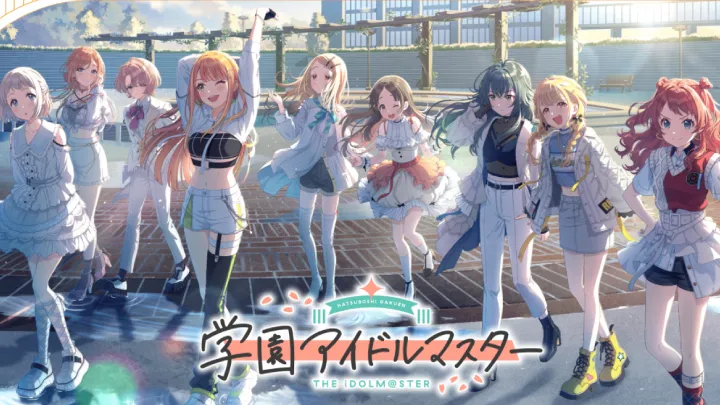
Gakuen Idolmaster has carved a niche for itself in the competitive landscape of mobile games, drawing players into a vibrant world where they can nurture aspiring idols. Players take on the role of producers, guiding their characters to superstardom through a mix of strategy, rhythm, and storytelling. However, an ongoing issue within the game revolves around performance metrics and the pressure they impose on players. This article will delve into the impact of performance metrics on gameplay, player engagement, and the broader narrative of idol culture within Gakuen Idolmaster.
Understanding Performance Metrics in Gakuen Idolmaster
At the core of Gakuen Idolmaster is the concept of performance metrics. These metrics determine a player's success and directly impact the progression of idol characters within the game.
What Are Performance Metrics?
Performance metrics in Gakuen Idolmaster refer to the various statistics and indicators that measure an idol's capability, performance, and growth. These metrics can include attributes such as charisma, rhythm skill, and popularity.
Key Components of Performance Metrics
- Skill Levels: Each character has distinct skills that can be upgraded through practice and performance.
- Popularity Ratings: Reflects how well an idol's music and performances resonate with the audience.
- Audience Feedback: Players receive feedback in the form of reviews and scores after performances, which influence future growth.
The Significance of Metrics in Gameplay
In Gakuen Idolmaster, performance metrics carry significant weight, affecting not only an idol's advancement but also the overall strategy players must adopt. As producers, players must focus on improving metrics to successfully transition idle characters into stars.
Balancing Strategies
Players might find themselves juggling multiple metrics, adjusting training schedules, and managing resources to optimize performance. This balance is not merely a matter of accruing points; it fundamentally shapes the experience of both the character and the player.
The Impact of Metrics on Player Experience
While performance metrics serve as a guiding force for gameplay and development, they can also create stress and pressure for players, reflecting broader themes of idol culture.
The Pressure to Perform
The competitive nature of idol training and the constant need to enhance metrics can lead to stress and anxiety. Players may feel compelled to achieve high scores for their idols, thus mirroring the pressure faced by real-life idols in the entertainment industry.
Emotional Responses from Players
- Anxiety: Players may experience anxiety about meeting performance expectations, translating a game into a high-stakes environment.
- Disappointment: Failure to improve metrics can result in feelings of disappointment, especially after investing time into training.
The Influence of Social Comparisons
Gakuen Idolmaster encourages social interactions among players, allowing them to share performance metrics. Such comparisons can intensify feelings of inadequacy, exacerbating the performance pressure within the community.
Community Dynamics
- Competitive Rankings: Players may engage in leaderboards to see how their idols stack up against others.
- Peer Pressure: Social comparisons can lead to heightened anxiety as players strive to keep pace with—or exceed—friends' accomplishments.
The Role of Training in Performance Enhancement
In Gakuen Idolmaster, training is a primary mechanism for improving performance metrics. However, training systems can inadvertently contribute to player stress when poorly designed.
Training Mechanics and Their Impact
The training system in Gakuen Idolmaster encompasses a variety of methods for enhancing idol skills and metrics, ranging from mini-games to choreographed routines.
Diverse Training Paths
- Skill-Based Training: Players engage in specific activities tailored to boost individual skills.
- Group Training: Involves collaboration among several idols to foster team dynamics, enhancing overall performance metrics.
The Time Investment Dilemma
Players often face the dilemma of how much time to invest in training versus participating in events or completing story missions. The balancing act can lead to frustration when trying to optimize performance.
Emotional Toll of Time Management
- Increased Time Commitment: The pressure to consistently engage in training can lead to burnout.
- Fear of Missing Out (FOMO): Players may worry about losing precious time to train, especially when special events or limited-time missions are available.
Community Feedback and Developer Response
To manage the escalating tension around performance metrics, responsiveness from developers becomes critical. Player feedback can shape how balance is achieved within the game.
Gathering Feedback from the Community
Developers of Gakuen Idolmaster have the opportunity to solicit player feedback actively through various channels, fostering community engagement.
Methods for Collecting Feedback
- Surveys: Periodic surveys can help gather insights regarding metrics and training systems.
- Forums and Social Media: Developers can monitor discussions within gaming platforms to gauge player sentiment.
Responding to Community Concerns
When players express concerns about performance metrics, it’s vital for developers to act quickly to adapt game mechanics.
Proposed Changes to Reduce Pressure
- Adjusting Metrics: Mitigating the intensity of pressure related to performance metrics can enhance player retention.
- Dynamic Difficulty: Implement more forgiving systems that adapt based on player performance, providing additional support during challenging sections.
The Cultural Reflection of Idol Performance
Gakuen Idolmaster captures the essence of idol culture, emphasizing the pressures that come with performance metrics and public perception. This cultural reflection deepens the narrative experience.
Real-World Analogies
The experiences of characters in Gakuen Idolmaster mirror the real-life pressures that idols in Japan and elsewhere experience. The game becomes a medium not only for entertainment but for commentary on the music industry.
Representation of Idol Culture
- Expectation vs. Reality: The gameplay highlights the tension between public expectations and personal goals, often leading to burnout.
- Narrative Depth: The characters’ journeys can prompt players to reflect on broader issues surrounding fame, validation, and self-worth.
The Emotional Journey of Idols
As players navigate their idols' development, they experience emotional stories that can resonate with their personal lives. Enhancing the emotional journey can enrich player investment in the game's narrative.
Character Development Arcs
- Personal Struggles: Idols may face obstacles in their training, such as self-doubt or external pressures, which players can directly influence through metrics.
- Triumphs and Failure: Players can witness their idols overcoming challenges, making the successes all the more gratifying and emotionally rewarding.
Future Directions for Gakuen Idolmaster
To sustain engagement and satisfaction, Gakuen Idolmaster must evolve its performance metrics and training systems to ensure they align with player expectations.
Balancing Metrics with Enjoyment
Developers should prioritize the enjoyment of gameplay over harsh performance metrics that induce stress. Introducing more balanced systems can relieve some pressure.
Strategies for Improvement
- Streamlined Training Systems: Introducing ease in training and metric enhancement can allow players to progress without unnecessary frustration.
- In-game Support: Offering boosts or assistance systems can help less experienced players level up without overwhelming competitiveness.
Fostering a Supportive Community
Encouraging a sense of community based on support rather than competition can enhance the overall gaming experience for all players.
Initiatives for Supportive Play
- Collaborative Events: Hosting events that promote teamwork can instill camaraderie among players.
- Recognition of Achievements: Developing recognition systems that celebrate player efforts, regardless of leaderboard standings, can foster positive environments.
Conclusion
The performance metrics in Gakuen Idolmaster hold a dual role: they serve as both a guiding force for gameplay and a source of pressure for players. Balancing these metrics with enjoyment and engagement is essential to creating a fulfilling gaming experience. Developers must actively listen to community feedback and remain adaptable to changing player expectations. By addressing these issues and emphasizing the emotional narratives within the game, Gakuen Idolmaster can continue to captivate players while reflecting the complexities of idol culture.