

How to Master Tactical Dispatch: The Definitive Guide to Command in Delta Force
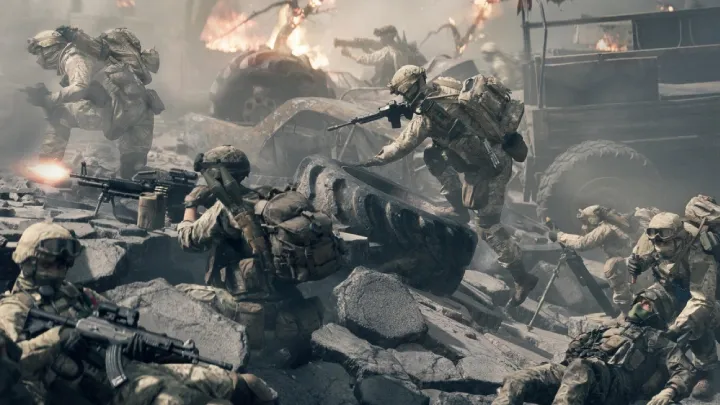
In the fiery battlefields of Delta Force, victory is determined not only by sharpshooters but by the ability to coordinate information with extreme agility. The Dispatch system in the game acts as the "brain" directing the entire flow of the match. Unlike standard shooters, Delta Force requires players to master data streams from UAVs, ground radar, and intelligence reports to make split-second deployment decisions. Understanding this mechanic is the boundary between a successful operation and a total wipeout for the squad.
This article dives deep into the technical structure of the tactical Dispatch system, dissecting how to prioritize targets and the art of coordinating air assets under real-time pressure. We explore why information management has become the "ultimate weapon" in the 2026 update, helping you maintain absolute dominance across terrains from deserts to urban centers. From decoding coordinates to optimizing rapid response chains, this is the manual to becoming a true commander.
1. The Foundation of Delta Dispatch: Deciphering the Tactical Overlay
The Dispatch system in Delta Force is not just a mini-map; it is a vivid Tactical Overlay based on real-time data. Every time a Recon unit scans an area, the data is pushed directly to the squad leader's Dispatch console. This data includes the exact position of enemies, the type of weaponry they are using, and their projected movement direction. Players must learn to interpret these encoded symbols before they vanish due to enemy jamming devices.
A sophisticated aspect of this mechanic is "Information Latency." In cluttered combat environments, Dispatch signals may lag by 1 to 2 seconds compared to reality. Elite players always calculate this "compensation gap" to issue intercept orders ahead of time. Mastering the input flow helps you shorten response times, turning your squad into a unified entity that is always one step ahead of the enemy in any situation.
2. Strategic Triage: Prioritizing High-Value Targets (HVT)
The greatest challenge for a dispatcher in Delta Force is target overload. Simultaneously, the Dispatch screen might report an approaching armored vehicle, a sniper on high ground, and an infantry squad occupying an objective. The golden rule in tactical coordination is "Triage." You cannot destroy everything at once, so you must evaluate based on the level of direct threat to your formation and the strategic objectives of the round.
Enemy artillery or armored vehicles always carry the highest priority because they have the potential to wipe out an entire squad in an instant. If you ignore an armored carrier to chase a single infantryman, you are putting the whole team at risk. Professional players use the "Quick-Mark" system on the Dispatch to highlight Priority Alpha targets, forcing the squad to focus fire there before handling lower-level threats.
Hierarchy of Tactical Priorities:
- Priority Alpha (Red): Enemy Armor (Tanks, APCs), Sniper nests, or Command Centers. Requires immediate coordinated fire.
- Priority Bravo (Yellow): Flanking infantry squads or mortar positions. Assign sub-teams to intercept.
- Priority Charlie (Green): Isolated scouts or depleted units. Handle only after primary threats are neutralized.
3. Resource Allocation: Optimizing Air Support and Logistics
In Delta Force, you don't just coordinate people; you manage Support Calls. The Dispatch system allows you to call in airstrikes, drop supply crates, or deploy reconnaissance UAVs. These are limited resources with long cooldown periods. Resource coordination techniques require you to "save" these heavy hitters for turning points in the match.
A common mistake is using an airstrike on a small, scattered group of soldiers. Instead, use the Dispatch to observe enemy movement flows, waiting until they concentrate forces to capture a point before launching a decisive blow. Synchronizing Dispatch orders with logistical capability ensures your team always has enough ammunition and support at the most critical moments of the confrontation.
4. Dynamic Escalation: Adapting to Battlefield Fluidity
The Delta Force battlefield is always in flux, and a "Priority Charlie" task can escalate into a "Priority Alpha" in seconds. This is known as the "Dynamic Escalation" mechanic. For example, a minor skirmish at a forest edge can trigger the arrival of enemy reinforcement helicopters. The dispatcher must constantly update the situation via voice channels and the command board to shift tactics immediately.
The ability to adapt quickly is the core factor. When you notice the alert code level up on the Dispatch system, you must order the formation to switch from an offensive stance to a deep defense. Preventing escalation in the early stages by using jamming devices or long-range interception is the most effective way to maintain map control without getting sucked into a war of attrition.
5. Synchronized Response: The Art of Cross-Class Coordination
Delta Force emphasizes synergy between character classes (Assault, Engineer, Recon, Support). The Dispatch system is the thread that binds these classes together. The dispatcher’s role is to assign specific tasks to each position based on radar data: ordering an Engineer to place mines on an enemy tank route or requesting a Recon to use a drone to designate targets for an Assault unit. This synchronized coordination requires meticulous observation of allied units on the tactical map.
If the dispatcher fails to connect these units, the formation will be split and easily eliminated one by one. The art here is to create a "Pincer Movement" through dispatch orders, where each class performs its exact function to create synergistic power. Success is measured by capturing the objective with minimal casualties for the entire squad.
6. Technical Optimization: Upgrading the Tactical Link
To become a dispatch expert, upgrading support equipment in the Tech Tree is mandatory. Focus on upgrades that increase "Radar Coverage" and "Data Processing Speed." These enhancements allow you to see details such as enemy vehicle health or enemy device cooldowns directly on the Dispatch interface.
In the 2026 meta, "AI Threat Analyzers" are becoming extremely popular. They allow the dispatcher to receive tactical suggestions based on the enemy's movement history in previous rounds. Optimizing communication technology helps minimize signal interference when operating in enemy-controlled areas, ensuring orders are always transmitted clearly and accurately.
7. Environmental Strategy: Mastering Terrain-Based Dispatch
Terrain in Delta Force directly affects the efficiency of the coordination system. In jungle areas or underground bunkers, GPS signals may be lost entirely, forcing the dispatcher to rely on manual reports from field units. A Master Dispatcher knows how to use terrain to hide their own team’s signals while luring the enemy into information "blind spots."
Furthermore, factors like sandstorms or heavy rain can reduce UAV visibility. At this point, the dispatcher must change information gathering methods, switching to Ground Sensors. Understanding the interaction between environment and technology helps you maintain battlefield awareness even when nature is not on your side.
8. Stress Management: Decision Making Under Heavy Fire
Being a dispatcher is an extremely high-pressure job. When gunfire erupts and teammates constantly radio for support, it is easy to fall into a state of panic and issue the wrong orders. Stress Management is the ability to keep a cool head to filter out the most vital information amidst battlefield noise. You must know when to deny an individual's supply request to save resources for the squad’s collective goal.
Tactical decisiveness is key. A delayed dispatch order is more dangerous than an imperfect one. Practice issuing short, concise orders and always have a "Plan B" on the Dispatch if the initial plan fails. Maintaining the commander's composure will help stabilize the morale of soldiers fighting directly under the hail of bullets.
9. Tactical Reputation: Building Trust Through Dispatch Accuracy
Modern Delta Force versions record the accuracy of the dispatch orders you issue. If you consistently designate the wrong enemy positions or accidentally call airstrikes on allies, your "Command Trust" index will plummet, making it harder for AI and other players to follow your future orders. Conversely, accurate dispatching improves combat efficiency and unlocks higher-level command perks.
Teammate trust is the greatest asset. When field players see that your Dispatch guidance always yields an advantage, they will maintain higher tactical discipline. This creates a positive feedback loop: good coordination leads to victory, and victory consolidates the dispatcher's authority, making the squad increasingly elite through every match.
10. The Future of Command: AI Integration and Neural Links
Looking toward the future of the Delta Force series in 2026, the Dispatch system is moving toward full integration with AI and Neural Links. Missions will be customized based on your command style. If you prefer lightning-fast attacks, the AI will prioritize pushing information about gaps in the enemy defense. If you are a defensive player, the system will early-warn you about enemy flanking routes.
The rise of "Global Command Networks" allows multiple dispatchers on different fronts to share intelligence data, creating a battlefield of unprecedented scale. Learning to share and exploit data from these networks will be the ultimate skill to dominate the Delta Force rankings in the new era, where information is the most lethal weapon.
Conclusion
The Tactical Dispatch mechanic is the soul of strategic gameplay in Delta Force. It transforms the game from a simple shootout into a high-level mental chess match. By mastering the art of target prioritization, optimizing support resources, and understanding environmental interactions, you will truly hold the key to victory. Remember: In Delta Force, a single correct order is more powerful than a battalion. Your strength lies not in the barrel of a gun, but in the ability to coordinate the entire battlefield in the palm of your hand.
A comprehensive guide to the tactical Dispatch system in Delta Force, focusing on information management, target prioritization, and squad command in 2026.