
Gorilla Tag may look simple, but beneath its playful design lies a powerful combination of physical activity and social interaction. The game thrives not on graphics or progression systems, but on emergent behavior created by real players. This article explores how Gorilla Tag keeps players engaged through movement, communication, and community-driven moments.
1. Physical Movement as Emotional Engagement
Moving with your arms connects the player’s body directly to the game.
Physical exertion increases emotional involvement.
Body-Based Interaction
Movement creates presence.
Emotional Result
Players feel “inside” the game.
2. Social Unpredictability and Replay Value
Every match feels different because players behave unpredictably.
This randomness increases replayability.
Social Variables
- Voice chat
- Player personality
Emergent Gameplay
Moments cannot be scripted.
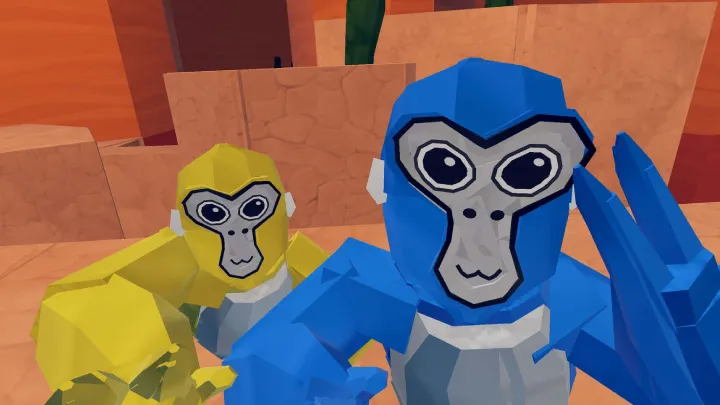
3. Learning Through Watching Others
New players improve by observing experienced players.
Skill spreads organically.
Informal Teaching
No tutorials needed.
Community Learning
Players teach each other.
4. Fear, Laughter, and Adrenaline Loops
Chases create fear, while escapes create laughter.
This emotional loop keeps sessions exciting.
Emotional Cycle
Fear → escape → relief.
Memory Creation
Strong emotions stick.
5. Minimal Rules Encourage Creativity
With few rules, players invent their own games and behaviors.
Creativity fills the gaps.
Player-Created Activities
- Hide and seek
- Racing
Freedom Advantage
Players define fun.
6. Why Voice Chat Changes Player Behavior
Hearing real voices humanizes other players.
This affects how players chase or cooperate.
Voice Impact
- Empathy
- Humor
Social Bonding
Voices create connection.
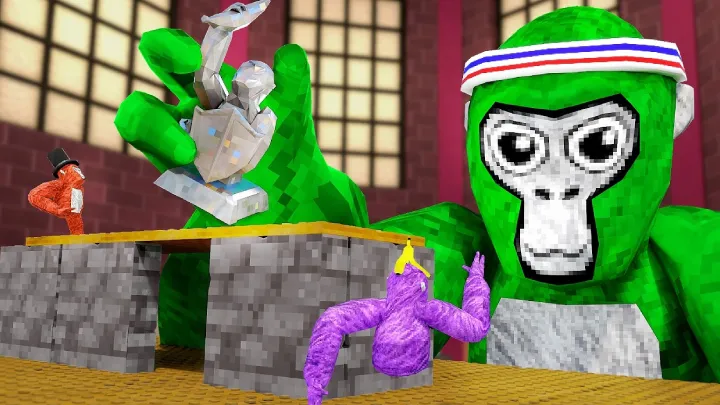
7. Physical Skill as Social Status
Skilled movement earns respect.
Skill becomes visible immediately.
Status Signals
- Speed
- Control
Skill Recognition
No stats needed.
8. Community Culture and Shared Norms
Over time, the community develops its own culture.
Behavior norms emerge naturally.
Community Traits
- Playful teasing
- Shared jokes
Cultural Identity
Players feel they belong.
9. Why Gorilla Tag Appeals to Younger Players
The game feels playful and energetic.
Movement matches youthful energy.
Youth Appeal
- Physical play
- Social fun
Low Barrier
Easy to understand.
10. Gorilla Tag’s Role in VR’s Social Future
Gorilla Tag shows how VR can support social spaces, not just games.
Interaction becomes the content.
Future Direction
- Social-first VR
- Movement-based interaction
Lasting Influence
People over systems.
Conclusion
Gorilla Tag succeeds because it turns players into the content. Through physical movement, voice communication, and social unpredictability, the game creates moments that feel real and memorable. Rather than relying on progression or visuals, it builds engagement through human interaction, proving that community-driven design can define the future of VR gaming.